
What are we consulting on?
As part of this consultation, we are seeking your views in a number of areas, as we know local knowledge and feedback can help us to improve our proposals.
You can find more detail about how we will assess the potential environmental effects of our proposals in the Environmental Impact Assessment (EIA) Scoping Report*.
*The EIA Scoping Report can be accessed here.
Ecology
Ecology relates to the plants, animals and habitats that exist both on the proposed site itself and on any sites nearby that could still be impacted in some way by the development we’re proposing.
Our ecological surveys have shown that the land we’re proposing to use for the proposed site is of low ecological value and we’ve found no evidence of there being any protected species, such as great crested newts, badgers or roosting bats. This is because much of the site is already developed and already consists largely of buildings, roads and hard surfaces, as well as more limited areas of grassland, scrub, woodland, trees and drainage ponds.
We do, however, recognise that there are several protected wildlife sites nearby, in particular the River Aire and, in the event our project is shown to have any impact on the river, we will be proposing appropriate mitigation.
Of the limited natural habitats that do exist on site, some would need to be removed during construction and these would then be replaced through new planting and habitats being created or improved elsewhere. This will include the creation of new, higher-quality grassland on land west of the A1(M).
During construction, we will produce a Construction Environmental Management Plan to help protect wildlife and prevent pollution. Once the plant is operating, other factors such as air emissions and surface water drainage would be carefully managed and regulated on an ongoing basis.
Our aim is to avoid significant, lasting harm to wildlife and to create more valuable habitat than is lost – a process known as environmental net gain. We will continue to conduct further ecological surveys as the project progresses to ensure we effectively monitor our performance in this important area.
Question:
Do you have any comments to make about our approach to protecting and enhancing ecology as part of our proposals?
Share your feedbackAir quality
We want to protect local air quality at the same time as we’re capturing our carbon emissions from Ferrybridge 1 and Ferrybridge 2.
We already carefully monitor the performance of our existing energy recovery facilities to ensure that they always operate within the emission limits set by the Environment Agency and we will continue to observe limits set by the Environment Agency during both construction and operation of our new carbon capture technology.
This will ensure that our carbon capture plants meet the strict standards that are set to protect people, wildlife and habitats.
We are aware that the construction, demolition, building work and vehicle movements that we’ll need could all create temporary dust. Our contractors would be required to follow a Construction Environmental Management Plan, including being subjected to regular inspections and controls, to stop dust spreading beyond our site.
However, it is important to note that the assessments we’ve conducted so far in these areas are all showing that there will be no significant air quality effects on nearby communities or environmentally sensitive sites as a result of our proposals.
Question:
Do you have any comments to make about our approach to protecting air quality as part of our proposals?
Share your feedback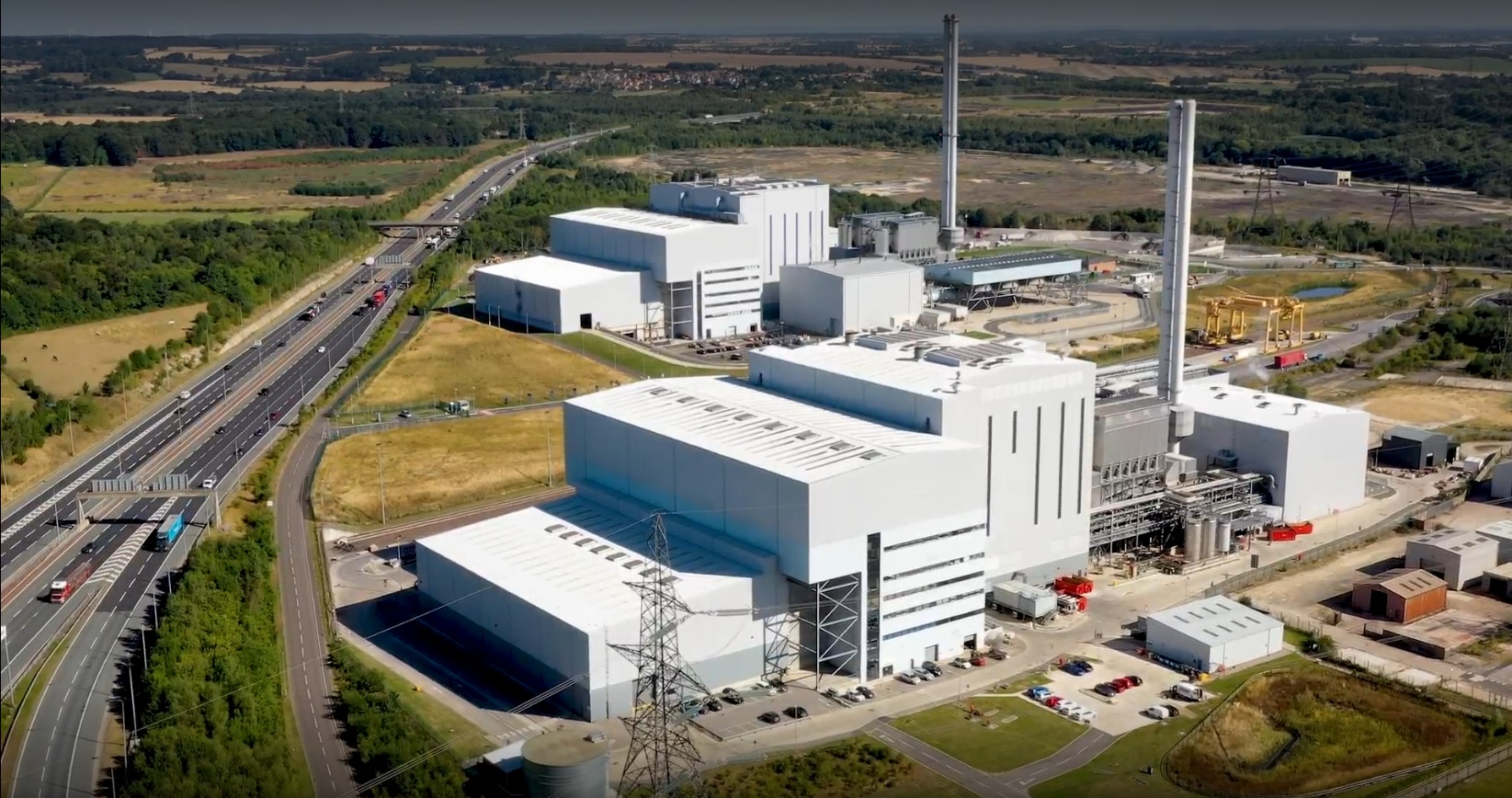
Climate change
One of the key aims of the project is to reduce regional greenhouse gas emissions and support the UK’s target of reaching net zero by 2050.
We propose to do this by preventing approximately 1.3 million tonnes of carbon dioxide from entering the atmosphere each year, equivalent to roughly 90% of the carbon currently produced by Ferrybridge 1 and 2.
To support this aim, we are also working to reduce the emissions that would be created by the construction process and we are designing the new elements of our site in such a way that they will be able to cope with potential changes to climate conditions in the future. For example, we will be implementing improved drainage, improved flood protection and enabling the reuse of the treated water that is used as part of a closed loop in the carbon capture process.
Question:
Do you have any comments to make about the role our proposals can play in preventing greenhouse gas emissions?
Share your feedbackNoise and vibration
During 2024, we undertook noise monitoring surveys that confirmed the noise levels around the existing site are at the typical levels which would be expected, given the transport and industrial infrastructure already operating in the area.
We are now using computer modelling to predict any possible changes to these levels as a result of the new work we’ll need to do as part of this project and we’re feeding this into the project design to ensure we understand and can limit any noise and vibration that may impact neighbouring homes and businesses.
While we do expect there to be some temporary noise impacts created during construction, we anticipate that these will be minimal, with any noise associated with construction traffic unlikely to make a noticeable difference. This is largely due to there being already high volumes of traffic on the roads around our site and in the surrounding area.
Once operational, the noise generated by our development is expected to be similar to the existing background noise that you would already expect to be associated with an existing industrial area. We will, however, still be looking at measures to reduce noise where reasonably practicable, including using quieter equipment, maintaining machinery efficiently, installing barriers and screens, placing noisy equipment inside buildings and using silencers and enclosures wherever possible.
Question:
Do you have any comments to make about the way in which we will manage noise and vibration associated with the construction and operation of our new CCS technology at Ferrybridge?
Share your feedback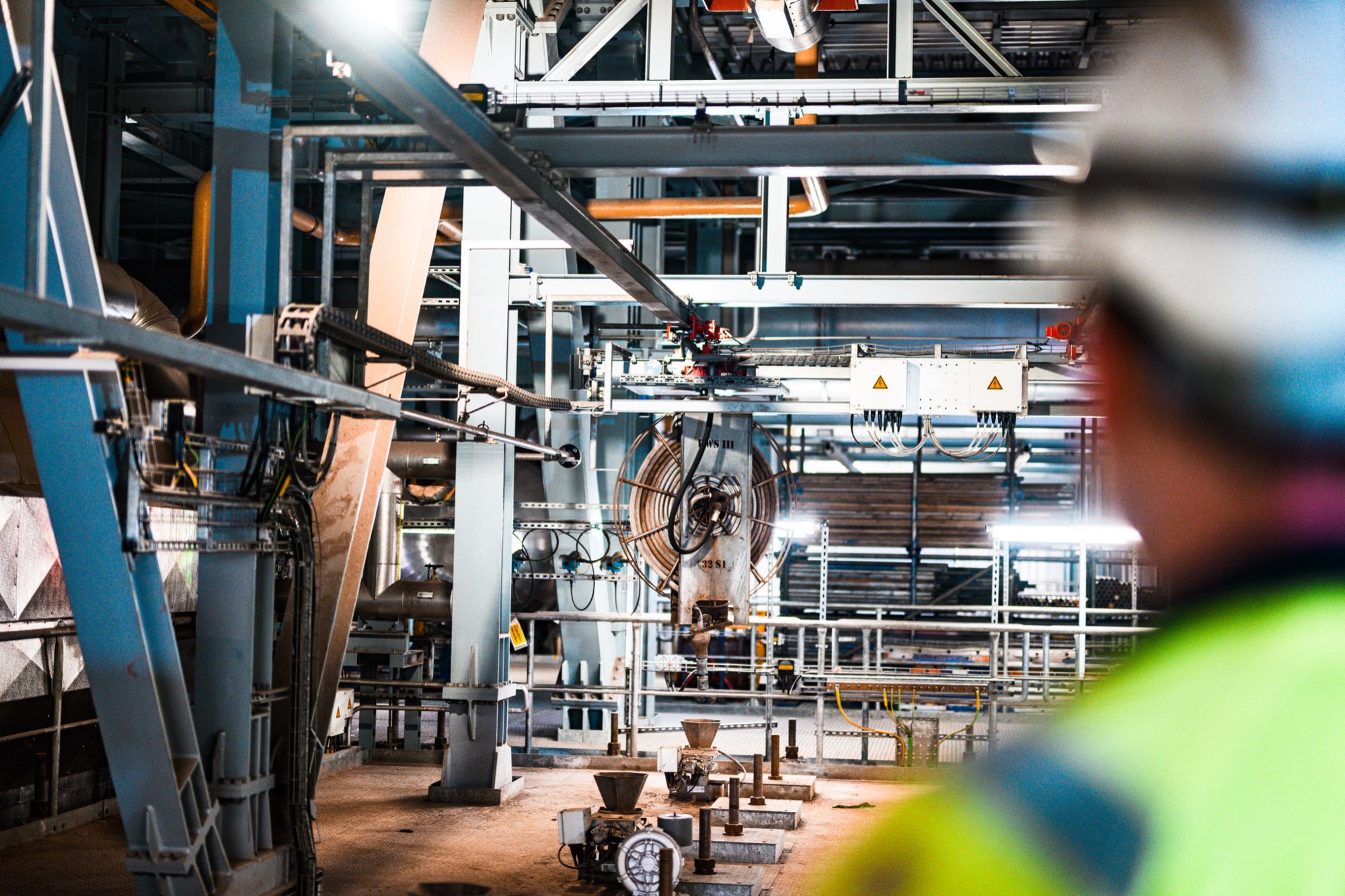
Transport
Any additional traffic associated with the construction and operation of these proposals will use existing connections to the site, including Kirkhaw Lane and Stranglands Lane, which link to the B6136, A162, M62 and A1(M).
Given that these routes to site are already in use, we do not envisage any road safety concerns or significant increases in traffic levels as a result of the development.
We would, however, still ensure that vehicle routes and delivery times are carefully managed to reduce congestion, especially during busy periods. Staff would also be encouraged to use more sustainable ways of travelling to reach the site.
Once the project is operational, traffic levels are expected to be lower than during construction, with a small workforce required and an estimated 2-3 deliveries each day.
Additionally, as the majority of carbon dioxide that is captured would be transported by pipeline or rail, only minimal road transport is expected to be needed for this element of our operation. For example, this may be because we need to transport the captured carbon dioxide by road temporarily or deliver it a relatively short distance to local users – in these scenarios, transportation by road would be the most feasible choice. As part of our assessment, we will also consider traffic associated with other developments proposed or under construction in the local area and how any potential cumulative effects can be managed.
Question:
Do you have any comments to make about the way in which we will manage the traffic and transport movements associated with our CCS proposals?
Share your feedbackHistoric environment
We recognise that our Ferrybridge site and the surrounding area have a proud connection to local history and industrial heritage - and we’re aware of the existence of prehistoric monuments, evidence of Roman and medieval activity, historic buildings, and interesting historic features relating to farming, transport and more recent industrial development.
Due to this, the site boundary of our proposed site has been designed to avoid known heritage features and there are no listed buildings, scheduled monuments, registered parks, gardens or battlefields within the site itself.
We are, however, aware of several important heritage sites located nearby, including Ferrybridge Henge, Ferrybridge Bridge and Ledston Hall. However, while these sites are all in the proximity of the proposed project, none of them are close enough to be affected.
We are aware that our proposed construction could affect archaeological remains that have not previously been disturbed through the excavation and groundworks we will need to complete - but we consider the chances of finding significant remains to be low. This is because of the site’s industrial history and the fact it has already been developed in a number of different ways over a long period.
Where needed, archaeological investigations and recording will take place before or during construction to ensure anything we do find is properly identified, recorded and managed in the correct way.
Once the proposals are operating, there will be no further ground disturbance.
Question:
Do you have any comments to make about the way in which we are managing the identification and protection of local historical, archaeological and heritage assets?
Share your feedback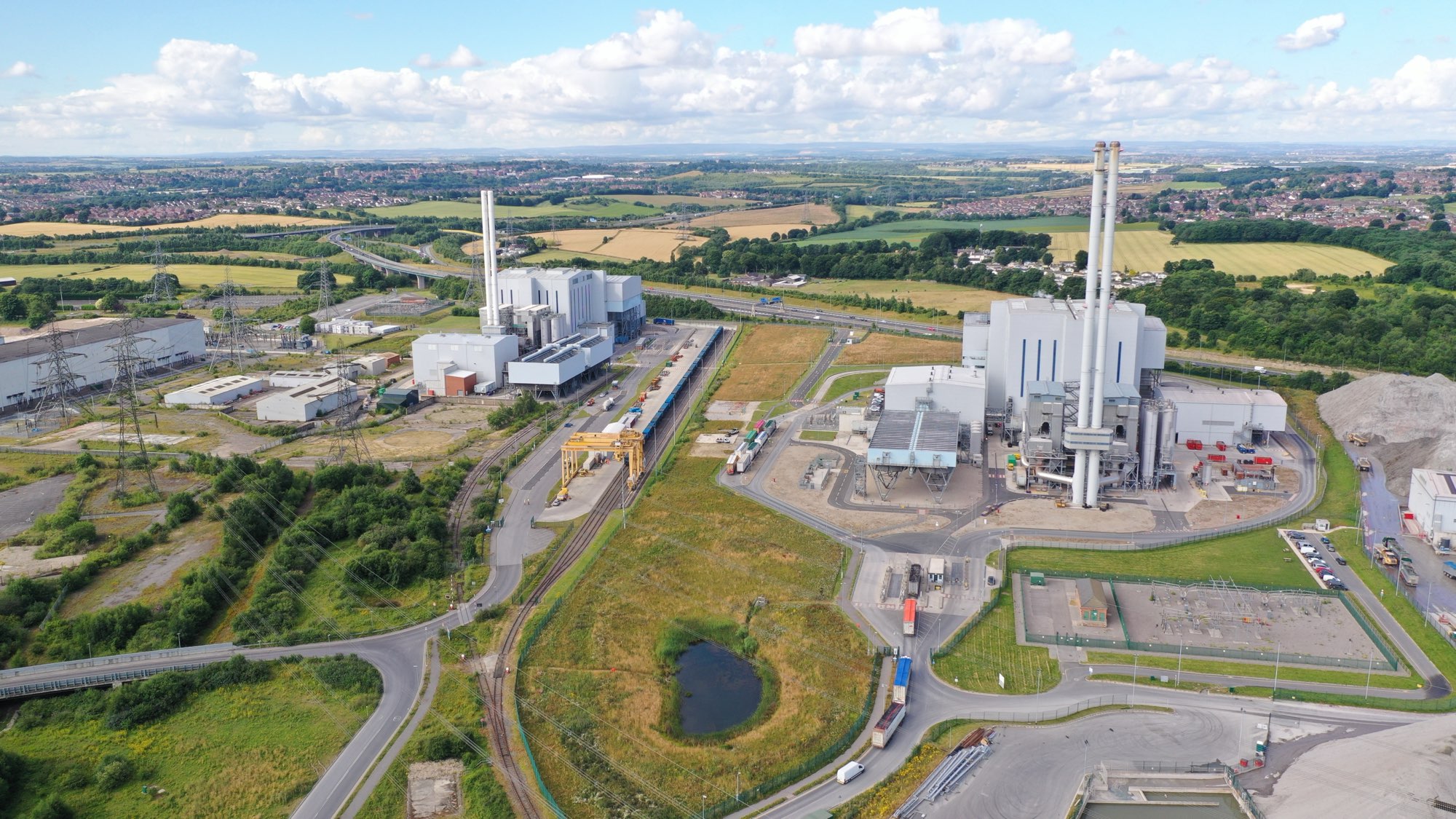
Landscape and visual
During construction, machinery, materials and traffic will all be visible on and around the site, which would create what is described as ‘visual impact’. However, because the proposed carbon capture development would be built within the existing energy-from-waste site, these effects are not expected to be significant. Our assessment is that this would fit in with the strong industrial character of the site and surrounding area.
Once operational, the tallest parts of the development, including absorber columns and exhaust chimneys, are likely to be the most visible aspects. Their appearance will vary depending on the distance they’re being viewed from, land levels and the way in which they’re screened by trees and other vegetation - but significant adverse effects are not currently expected.
We will endeavour to reduce any visual impact through the careful design of building heights, site layout, materials and colours. Existing vegetation will be kept where reasonably practicable, with new planting considered.
Question:
Do you have any comments to make about the way in which we intend to manage the visual impact of our CCS proposals?
Share your feedbackPopulation and health
Overall, the project is not expected to create any harm to local health. However, we are aware that the dust, noise and extra traffic we will create could cause temporary disruption during construction.
These effects would be managed through the production and use of a Construction Environmental Management Plan and a Construction Traffic Management Plan.
Once operating, any potential impacts of the carbon capture facility on air quality, noise and traffic will be carefully assessed, including possible impacts from transporting carbon dioxide. The site would operate under an Environment Agency permit, with strict controls on emissions and activities to protect people and the environment.
The carbon capture facility will also bring benefits to the local population, offering long-term skilled jobs, investment and support for a lower carbon economy in the north.
Question:
Do you have any comments to make about the way in which we intend to protect public health and the environment?
Share your feedbackDrainage and ground conditions
The Ferrybridge site has a long and proud industrial history, including being used as a former power station and two historic landfill areas. Because of this, there may be contamination in the soil and groundwater, which we will be assessing before construction begins.
We know that Fryston Beck runs through the site, and that the River Aire is nearby, but the site is considered to have a low risk of flooding.
However, our Construction Environmental Management Plan will include measures to manage any possible risks, including safe storage, drainage, pollution prevention and water monitoring.
Because of this, the project is not expected to increase flood risk or cause significant harm to soil, groundwater or local watercourses.
Question:
Do you have any comments to make about the way in which we intend to manage groundwater, drainage and flood risk?
Share your feedbackOther local developments
The Ferrybridge carbon capture project is proposed within an area where several other developments are being built or proposed. These include a new gas-fired power station and green hydrogen plant proposed by SSE, battery storage and the Mountpark employment and logistics development.
While the project’s effects are expected to be mainly contained within the existing energy-from-waste site, we are considering whether there would be any possible cumulative impacts of our project when it’s combined with these other developments. This cumulative impacts assessment will cover areas including construction traffic, noise, air quality, dust and pollution – and we will be working with neighbouring developers to coordinate construction, and the management of effects to the environment, where reasonably practicable.
Question:
Do you have any comments to make about the way in which we have considered the effects of our proposals when they’re combined with other nearby projects?
Share your feedback